St Neot
Bodmin Moor village with medieval stained glass and riverside walks
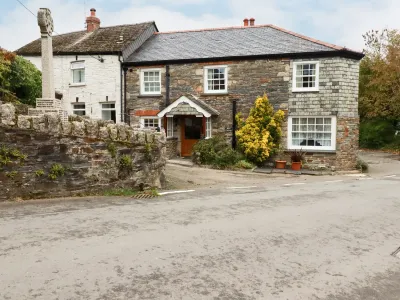
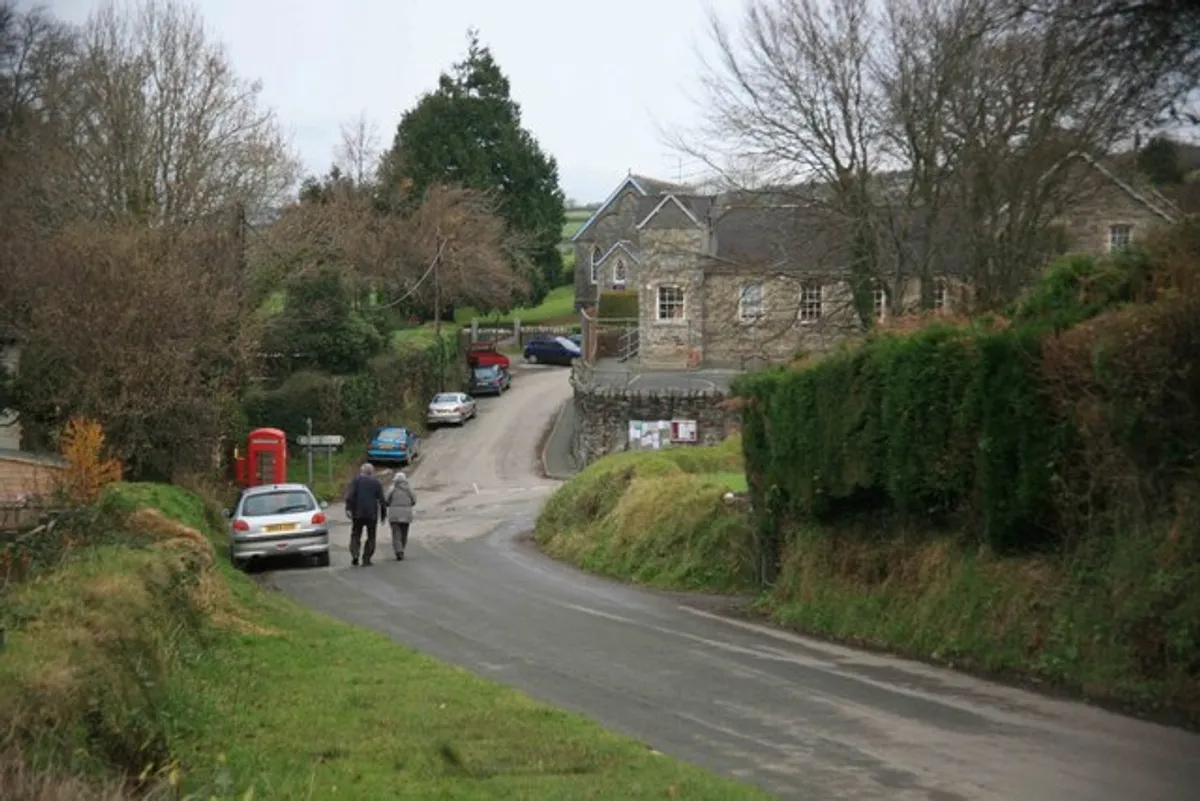
St Neot is a village on the southern edge of Bodmin Moor with a population of around 650, named after the Saxon monk Saint Neot. According to local legend, the saint’s holy well contained three fish, and an angel told him that as long as he ate no more than one fish a day, their number would never decrease. The holy well can still be found near the village.
The 15th-century parish church of St Anietus is the main reason visitors seek out the village. It contains 17 medieval stained glass windows, at least 500 years old, with over half retaining their original glass - an exceptional survival rate. More than 350 individual figures of saints, local benefactors, and heraldic designs fill the windows, dating from around 1500. Historic England describes them as “high quality,” and they represent the most complete set of pre-Reformation stained glass in Cornwall. The church itself is built of ornate granite, and the building alone draws visitors interested in ecclesiastical art.
The village sits in the valley of the River Loveny, with walking routes leading north onto the open moor. A popular circular walk follows two valleys through the parish. Golitha Falls, 2 miles upstream, is a National Nature Reserve where the young River Fowey rushes over boulders through ancient oak woodland. The cascades run through a steep-sided valley with a waymarked trail - the site is free to visit and open year-round. The Minions heritage area, with its Bronze Age stone circles and the Cheesewring rock formation, is about 4 miles northeast. Carnglaze Caverns, a former slate mine open for tours, is a mile west of the village.
St Neot’s position on the moorland edge means the landscape shifts quickly from the sheltered, wooded river valley around the village to open heath and granite tors within a short drive or walk. The village has a pub and a community shop.
Places to Stay in St Neot
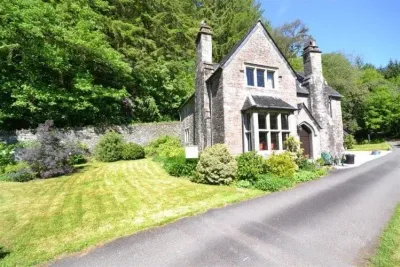
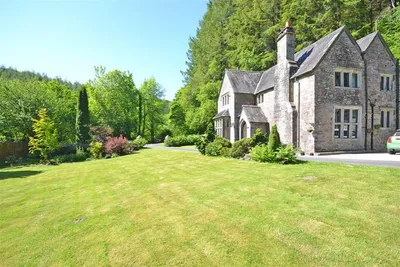
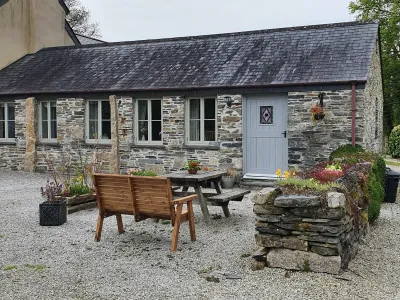
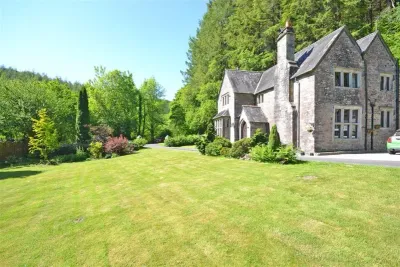
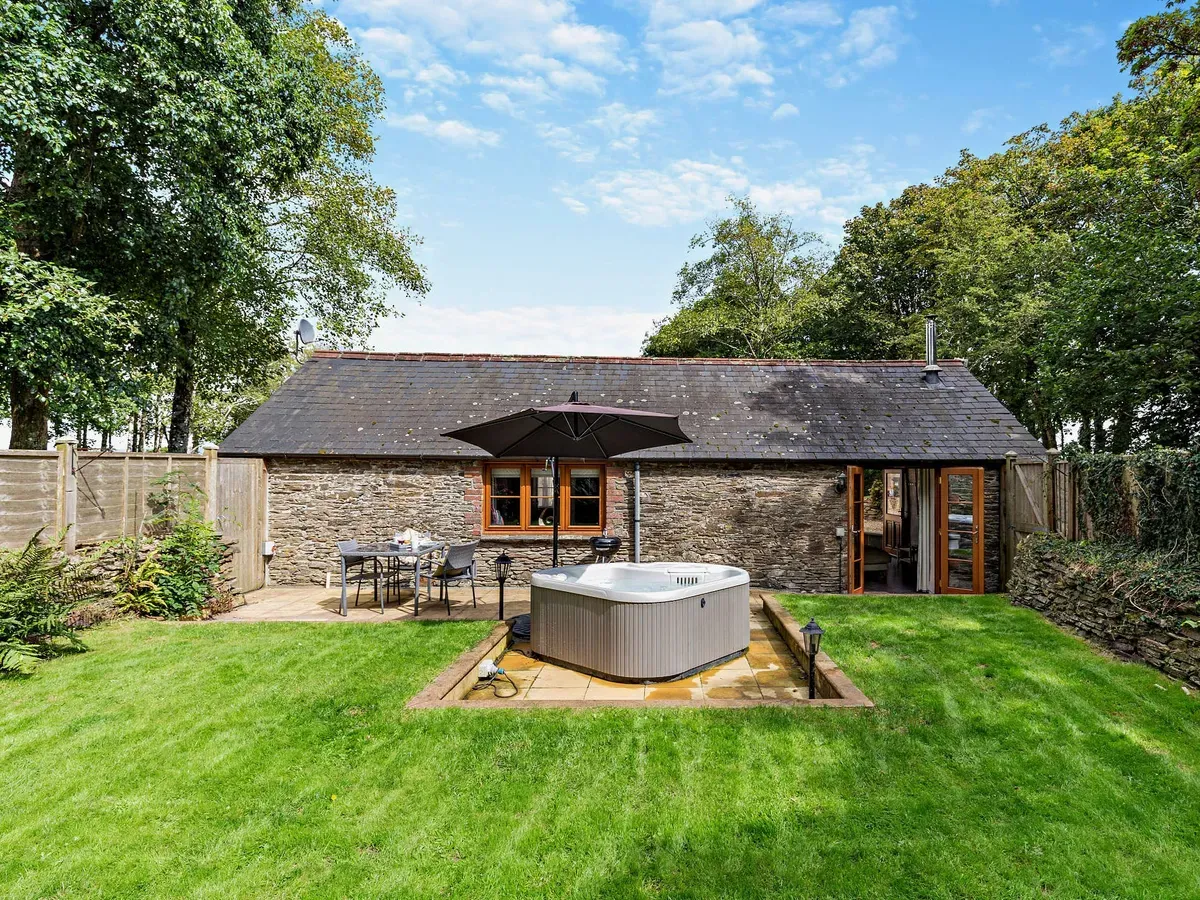
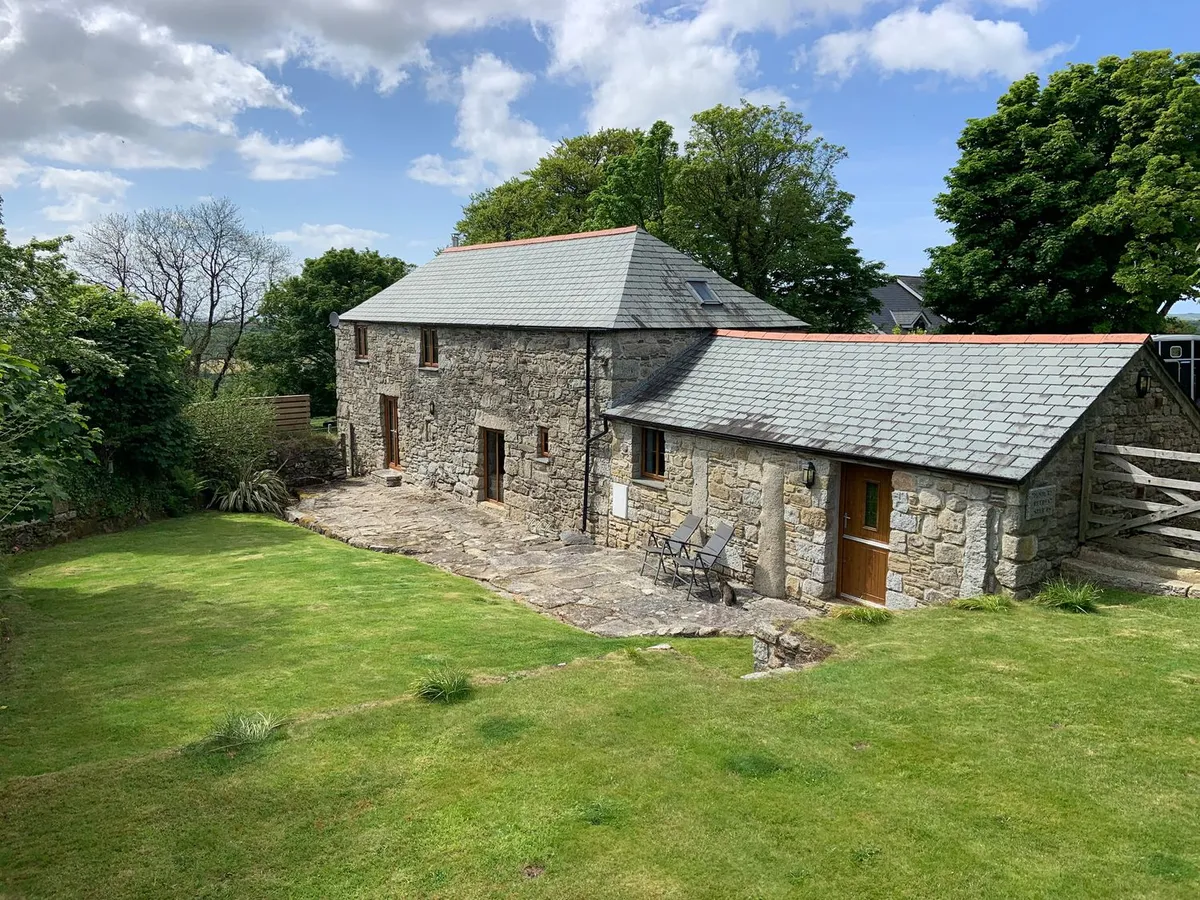
Hand-picked accommodation from cottages to boutique hotels.
Live availability in St Neot
Sample dates: 24 April 2026 - 26 April 2026. Adjust below to see live prices for St Neot.